

Decorative Cushions: How to Match Colour and Design to Your Style
Finding the Perfect Balance Between Quantity, Shapes, Colours and Fabrics
Decorative cushions are the detail that can transform a simple sofa into the focal point of a living room without changing furniture or redesigning the entire space. Finding the right balance between quantity, shapes, colours and fabrics helps define the character of the sofa while creating harmony throughout the room. A 50×50 cm cushion in velvet, linen or textured knit, or a carefully coordinated arrangement of designer cushions, can become the distinctive feature that elevates both living rooms and bedrooms.
One useful principle to keep in mind is that cushions should enhance the sofa without overpowering it. Rather than being placed randomly, they should establish visual and colour connections with walls, rugs, curtains and other furnishings. Achieving a curated yet effortless look is easier when a few simple guidelines for quantity, arrangement and colour combinations are followed.
How Many Cushions Should You Place on a Sofa or Chaise Longue?
The ideal number depends on both the size of the sofa and the overall style you want to create, whether minimalist or more layered. As a general rule, three cushions are enough to make a standard sofa feel comfortable and inviting. Another commonly used guideline suggests choosing a number equivalent to the seats plus two. On a three-seater sofa, for example, five cushions often create the perfect composition. The shape of decorative cushions also plays an important role. Square and rectangular cushions can be combined successfully, provided they remain visually balanced..
Quick Reference Guide
| Sofa Type | Recommended Arrangement |
| 2-Seater Sofa | 3 cushions (or 2 for a minimalist look) |
| 3-Seater Sofa | 5 cushions |
| Large or Corner Sofa | An odd number, adjusted according to size |
| Chaise Longue | A few generously sized cushions |
Many interior designers favour an odd number of cushions, as it tends to create a more natural and visually dynamic arrangement.
How to Arrange Cushions on a Sofa
A simple and effective approach is to start from the armrests, placing the largest cushions at each end and gradually layering smaller cushions towards the centre. Larger cushions create a supportive background near the backrest, while smaller cushions sit in the foreground, resulting in a comfortable and visually balanced composition..
For a lighter, more spacious feel, cushions can be positioned only at the ends of the sofa, leaving the centre area free for seating. This solution maintains the decorative impact of cushions without overcrowding the space.
Symmetry is another valuable design tool. Purchasing cushions in coordinated pairs and arranging them evenly on both sides of the sofa creates an immediate sense of order and balance. Even when mixing different sizes, proportions should remain harmonious to avoid a random appearance.
Corner Sofas and Chaise Longues
Corner sofas and chaise longues require slightly different styling considerations. To visually balance the asymmetry created by a corner section or chaise longue, it is often helpful to concentrate a greater number of cushions on the shorter side of the composition.
On a chaise longue, fewer but larger cushions generally work best, avoiding interruptions to the flow of the seating area. A coordinated arrangement featuring a 50×50 cm cushion together with a rectangular cushion is often sufficient to provide both comfort and visual continuity.
Tonal Styling, Contrasts and Patterns
Creating a cohesive colour palette is the foundation of successful cushion styling. One of the most elegant solutions is a tone-on-tone palette, using cushions in different shades of the same colour family as the sofa. Sandy tones, taupe shades and creams, for example, pair beautifully with a beige sofa, creating a calm and sophisticated atmosphere.
Another timeless approach combines neutral colours with a bold accent shade. A composition built around white, grey or beige cushions can be enhanced with one or two statement cushions in deep blue, forest green or another rich colour. For a cohesive look, the accent colour should echo another decorative element within the room, such as a rug, artwork or curtain.
Patterns can also be highly effective when paired with solid-colour cushions that pick up one of the colours used in the design. A geometric or floral cushion becomes more impactful when complemented by two coordinated plain cushions, helping avoid an overly busy appearance.
Recommended Colour Palettes Based on Sofa Colour
The colour of the sofa itself often determines the most successful combinations.
| Sofa Colour | Decorative Cushion Ideas |
| Beige / Taupe | Tone-on-tone shades such as sand, cream and hazelnut |
| Grey / Deep Blue | Neutral colours with accents of mustard, forest green or rich blue |
| White | Maximum freedom to experiment with stripes, florals and vibrant colours |
A white sofa offers almost unlimited styling possibilities, while coloured sofas generally benefit from complementary, tonal or neutral cushion combinations.

Mixing Textures and Fabrics
Even within the same colour palette, combining different textures adds depth and visual richness to a sofa. A velvet cushion can be paired with a linen design and a cushion made from textured cotton or knitted fabric. This layered approach creates a more inviting and refined result.
During winter, richer and more tactile fabrics often enhance the cosy atmosphere of a room. In summer, lighter materials such as linen and cotton help create a fresher look. Simply changing cushion covers can instantly update the style of a living room from season to season.
Symmetry, Proportions and the Rule of Odd Numbers
To achieve a balanced arrangement, it helps to follow a few simple principles:
– Favour an odd number of cushions, particularly in contemporary interiors.
– Position larger cushions towards the back and layer smaller sizes in front.
– Purchase coordinated pairs where possible and arrange them symmetrically around the centre of the sofa.
The 50×50 cm cushion remains one of the most versatile formats. Depending on its fabric and colour, it can serve as either a background element or a focal point. Combined with larger cushions behind and rectangular cushions in front, it introduces rhythm and structure without overwhelming the sofa.
Decorative Cushions for Living Rooms and Bedrooms
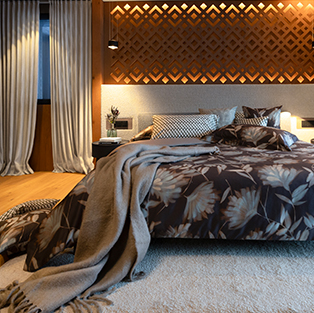
In living rooms, decorative cushions are constantly on display and should therefore be kept neat and well maintained. Plumped cushions and carefully pressed covers immediately contribute to a more polished appearance. The same principles apply in the bedroom, where cushions complete the look of upholstered headboards, bedspreads and bedding. Here, colour coordination becomes especially important, often drawing inspiration from the bedspread, blankets and the fabrics used throughout the room
Designer Cushions: When Details Make the Difference
Designer cushions can elevate the look of a sofa, creating a refined and carefully curated atmosphere. Details such as contrast piping, artistic prints and distinctive textures transform cushions into decorative features in their own right. Used thoughtfully, they bring character and sophistication without overwhelming the overall composition.
Whether you prefer elegant solid colours or bold patterns, the guiding principle remains the same: cushions should complement the sofa and the surrounding décor, not compete with them. With a considered colour palette, a few well-chosen velvet cushions and the right proportions, it is possible to completely refresh a living space in a simple yet highly effective way.